Published
Reversing into a suitable parking space lets you drive forwards when you leave. That can make it easier to observe approaching traffic and people than backing out between parked cars.
Coastwide's Ben Ward discussed the idea with ABC Brisbane in February 2023. You can read the original ABC interview about reverse parking. It is also a useful skill to work on during driving tuition that includes everyday parking, with time to practise slowly and ask questions.
A clearer departure
When you leave forwards, you can position yourself to look along the traffic aisle without reversing the rear of the car into it. You still need to check carefully: a large vehicle beside you may block the view.
A useful control exercise
Low-speed parking develops your judgement of space, steering and the car's position. The aim is a controlled manoeuvre with continuing observations, rather than getting into the bay in one impressive movement.
Choose the space before the technique
Read signs and markings first. Some spaces require a particular parking direction, and you must follow it. Consider the room available, moving traffic, nearby pedestrians and whether you will be able to open doors or reach the boot safely afterwards.
A car park is not an empty practice area just because cars move slowly. Children, people with shopping trolleys and other drivers can enter the space you are watching. If the situation changes, stop and reassess rather than continuing to finish the manoeuvre.
The Queensland parking rules explain signs and positioning. Section 296 of the Queensland Road Rules requires reversing to be safe and no further than reasonable in the circumstances.
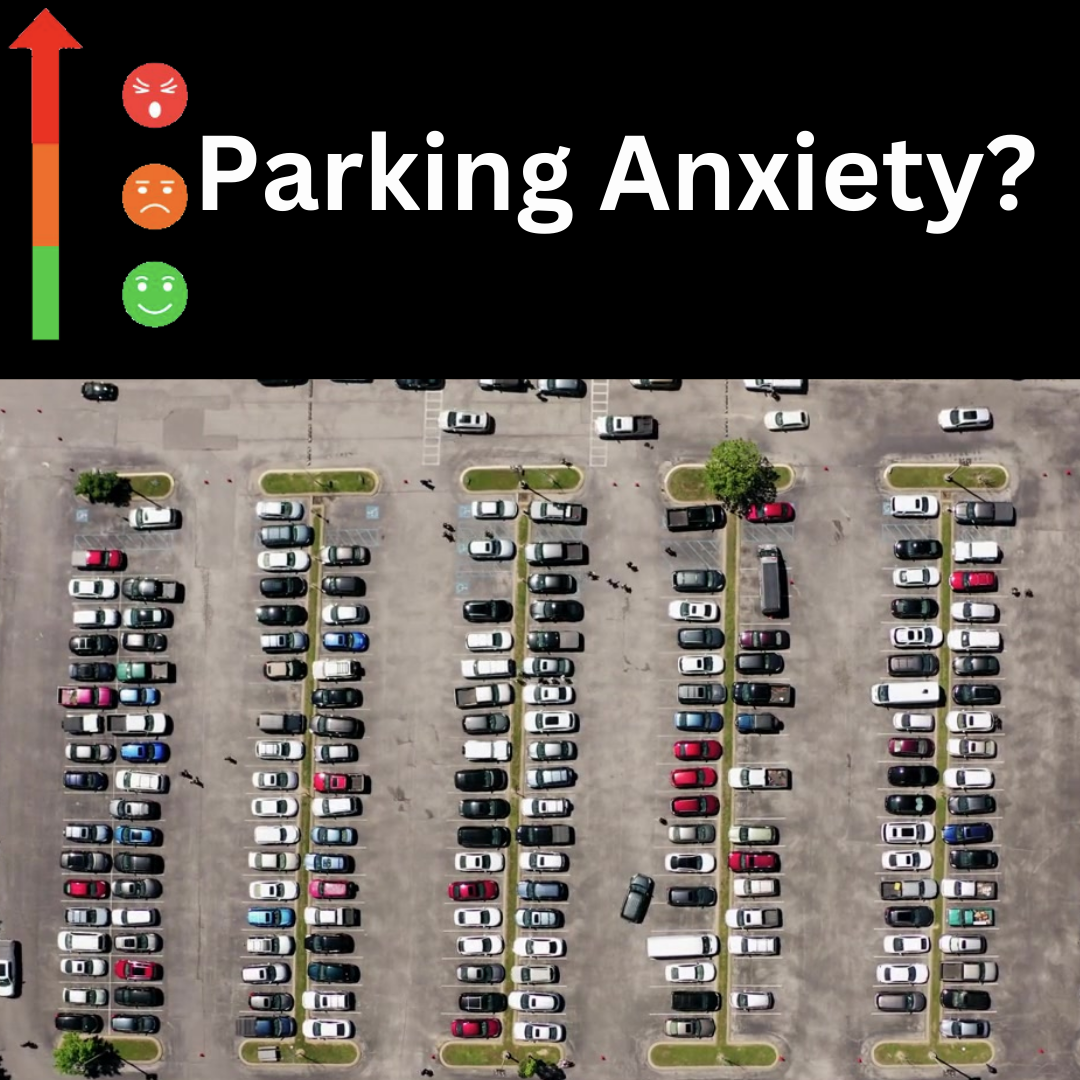 The original parking illustration. Practise with guidance in a location suited to your current skill level.
Practise the observations as well as the steering
- Check before moving. Look around the vehicle and through the space you intend to use. Mirrors, cameras and sensors can help, but each has limits.
- Move slowly and keep checking. Watch the front corners as they swing and the clearance at the sides and rear. Stop if someone approaches or you lose a clear view.
- Adjust when needed. A pause and a careful reposition are preferable to forcing the car into a poor angle or tight gap.
- Check again before leaving. A forward exit still calls for observation, patience and the correct give-way decisions.
If parking is the part of driving you avoid, tell your instructor. You can discuss focused practice and the parking lesson option. Progress comes from practising the checks and control together, with feedback on the particular vehicle you drive.